

June 21, 2024
Prediabetes: Key Risk Factors and Effective Lifestyle Changes
Prediabetes: Key Risk Factors and Effective Lifestyle Changes If you’re at risk for type 2 diabetes, you may develop a condition known as “prediabetes” first. Here’s US MED’s guide to prediabetes management. Written by: US MED Staff Many people who…
Share This Story

Prediabetes: Key Risk Factors and Effective Lifestyle Changes
If you’re at risk for type 2 diabetes, you may develop a condition known as “prediabetes” first. Here’s US MED’s guide to prediabetes management.
Written by: US MED Staff
Many people who get diagnosed with type 2 diabetes feel like this disease came out of nowhere. In reality, that isn’t usually the case. According to the Centers for Disease Control and Prevention (CDC), more than one in three adults in the U.S.—about 96 million people—have prediabetes, a condition that often precedes the development of type 2 diabetes.
Learning that you have prediabetes can be alarming, but there’s good news. If you have this condition, you still have time to delay the onset of type 2 diabetes – or avoid it entirely. To learn more about prediabetes from the team at US MED, keep reading.
What Is Prediabetes?
As its name suggests, prediabetes is closely linked to type 2 diabetes. However, this condition is not truly a type of diabetes, either. A prediabetes diagnosis indicates that you have higher-than-normal blood sugar, but your blood glucose levels are not high enough to be considered diabetes.
Prediabetes happens when your body’s cells don’t respond correctly to insulin. In response, your pancreas will ramp up insulin production – but eventually, it won’t be able to keep up with the increased demand. This process can result in prediabetes early on, but it can eventually cause type 2 diabetes if left unchecked.
The Warning Signs of Prediabetes
 Though prediabetes is common in America, people who know they have this condition are considerably harder to find. According to the Centers for Disease Control and Prevention (CDC), more than 8 in 10 adults with prediabetes don’t know they have it. Since prediabetes often has no apparent symptoms, it’s crucial to know if you’re at risk. According to the Centers for Disease Control and Prevention (CDC), several factors may increase your risk for developing prediabetes and type 2 diabetes, including:
- Excess weight — especially carrying extra fat around the abdomen (“central obesity”)
- Age 45 or older
- A family history of type 2 diabetes (parent or sibling)
- Physical inactivity (being active fewer than 3 times per week)
- Having polycystic ovary syndrome (PCOS)
- Previously having gestational diabetes
- Giving birth to a baby weighing 9 pounds or more
Do you fit into one or more of these categories? If so, talk to your doctor about potential treatment options including blood sugar testing.
Prediabetes Complications
Naturally, the most prominent complication of prediabetes is type 2 diabetes. These risks should be taken seriously and discussed with your physician. These can include:
- Heart disease/stroke
- Nerve damage
- Kidney disease
- High cholesterol
- Blindness and other vision problems
- High blood pressure
Even if your prediabetes doesn’t get worse, the condition may have other complications of its own.
Is Prediabetes a Concern? Download 7 Smart Questions You can Ask Your Doctor
We understand that recognizing possible prediabetes may feel overwhelming. We've created this complimentary guide, 7 Important Questions to Ask Your Doctor About Diabetes, to help you prepare for a productive conversation with your healthcare provider. Whether you're seeking clarity, exploring testing options, or looking for ways to stay ahead of complications, these questions empower you to advocate for your health with confidence.
What To Do If You Have Prediabetes
Have you just been diagnosed with prediabetes? If so, the best time to take action is right now. Making a few simple lifestyle changes may reduce type 2 diabetes risk:
Get Active
Physical activity may burn sugar for energy, making it one of the most effective methods of blood glucose control. Regular exercise may also assist you in weight loss and using insulin effectively. Even a brisk half-hour-long walk most days a week may help reduce risk for type 2 diabetes. The recommendation is 150 minutes of physical activity per week.
Eat Right
Additionally, it’s a good idea to make some dietary changes if you are at risk for diabetes. That doesn’t mean giving up all the foods you love – instead, you may want to follow the principles behind a healthy meal plan. Consider eating controlled portions of nutritious foods like fruits, vegetables, lean proteins (including plant-based protein sources), and whole grains as part of that process.
Manage Stress
 While a prediabetes diagnosis may feel overwhelming, try creating a stress management strategy. According to the Centers for Disease Control and Prevention (CDC), people with diabetes are about 20% more likely than those without diabetes to experience anxiety — which can directly affect blood sugar levels. If you’re feeling an abnormally high amount of stress, talk to your physician to consider therapy, medication, or relaxation techniques.
Don’t Do It Alone
Talking to other people with prediabetes (or type 2 diabetes) could make the process of managing your condition easier. To get started, look for local diabetes support groups.
Your Source for Diabetes Supplies
By following the tips included in this article, you may be able to manage your condition without turning your life upside down.
If you need supplies for diabetes management, US MED can help *. We’re involved with 500+ insurance plans across the country, and we have an entire team of experts capable of providing the support you need to manage diabetes successfully. To learn more, take a look at the supplies we sell online!
* coverage requirements may apply for insurance coverage
Sources:
Centers for Disease Control and Prevention. Prediabetes – Your Chance to Prevent Type 2 Diabetes. Updated May 2024.
Centers for Disease Control and Prevention. Prediabetes: Could It Be You? Updated May 15, 2024.
Centers for Disease Control and Prevention. Diabetes and Mental Health. Updated May 30, 2024.
Latest Stories

Read Next:
Diabetes, Products, Technology
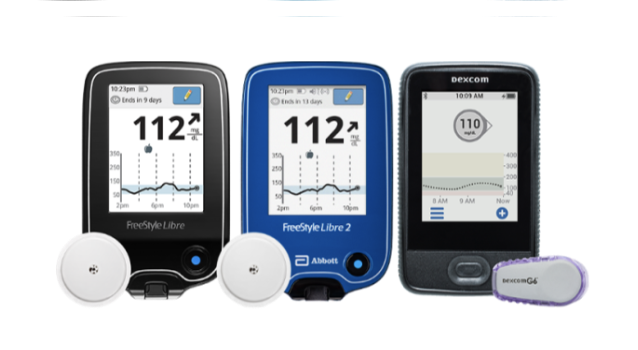
Different Types of CGM: A Complete Guide
Blog, Diabetes, Products, Technology
What are Continuous Glucose Monitoring Devices and How to Choose a CGM?

Blog, Diabetes, Diet & Fitness
Just Diagnosed With Diabetes: A Guide


AHCA Licensure Numbers: 1313231 and 1314211
For Healthcare Professionals
Payors
Partnership Opportunities
Our Products
Insulin
Insulin Pen Needles & Syringes
US MED® is America's primary choice for home delivery of quality medical supplies. Since 1996, over 1 million satisfied members have received disease state education and medical supplies from our highly trained customer service specialists. US MED®, the largest provider of Diabetic Supplies to the Medicare community, is licensed and accredited by Accreditation Commission for Health Care (ACHC) and maintains an A+ rating from the Better Business Bureau. We provide all products necessary to treat the Diabetes disease state, including therapies for its associated comorbidities. Our product portfolio includes, but is not limited to, the following: Diabetic testing strips, Continuous Glucose Monitors or CGMs, Insulin Pumps, Sleep Apnea and CPAP supplies, and Nebulizers.